
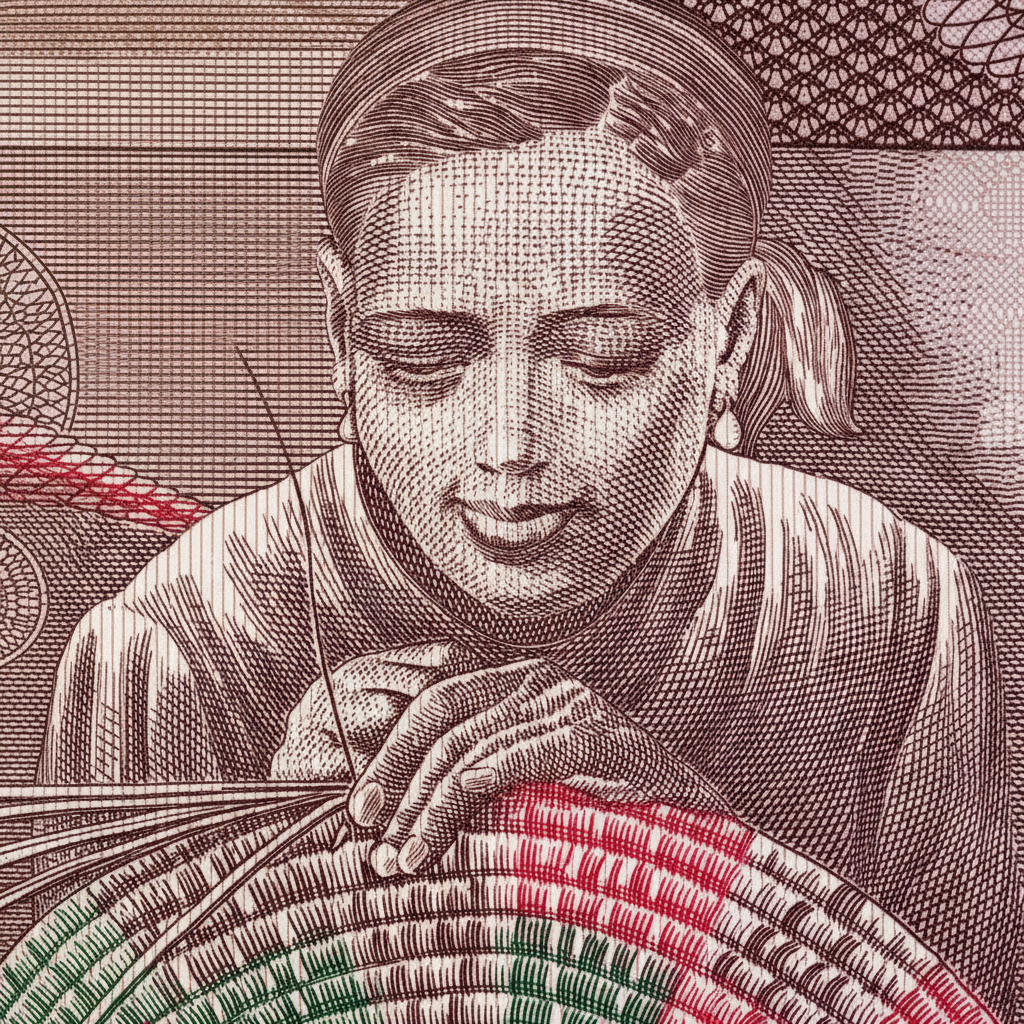
Circle of Abundance; What the Messob Really Represents
Messob, also traditionally referred to as Messob Werq, remains one of Ethiopia’s most recognisable cultural symbols. It is a handwoven basket crafted from natural fibers such as grass, palm leaves, and straw using spiral coiling techniques passed down for generations.
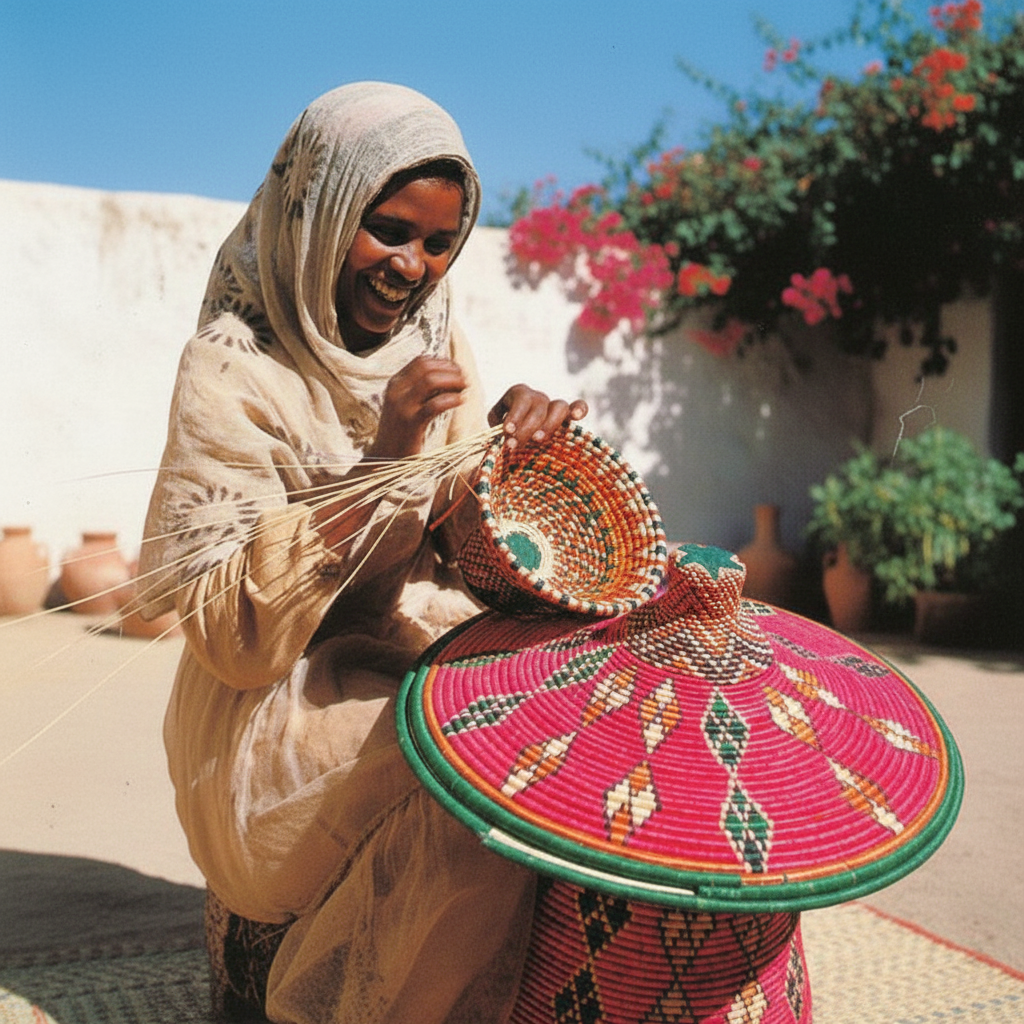
The phrase Messob Werq gives the basket an elevated presence. In Amharic, werq means gold, and the word is also used to describe something treasured, protected, and held to a higher standard. When the Messob is framed this way, it moves beyond its role as a household item and becomes something valued for its symbolism. This makes the Messob more than an object on the dining floor. It becomes a reflection of the values that shape the Ethiopian home.
Beyond its practical use, the Messob carries layered cultural meaning.
Prosperity and abundance
The Messob is mostly used during important meals and celebrations, and it’s always filled with dishes that signal plenty and shared nourishment. In the past, a finely crafted Messob was also seen as a mark of wealth and preparedness. Because it physically holds the things that represent abundance, the basket naturally becomes a symbol of it.
Well-being
Eating together at a Messob strengthens relationships, and the shared meal itself reinforces emotional well-being and social harmony. The simple act of gathering around it creates a familiar sense of comfort that people rely on. Because it nurtures both physical and emotional connection, the Messob naturally becomes tied to well-being.
Unity
The messob’s circular shape creates a setting without hierarchy. Everyone sits at the same distance from the food and shares a single center point. Its design forces equality and closeness, so unity isn’t just a concept around the table.
Adornment
The patterns and colors lift the Messob beyond simple utility and turn it into an art piece. Even when it isn’t being used, its presence decorates a room and adds visual energy. Its richness in color and form links it to ideas of beauty, celebration, and thoughtful presentation. That aesthetic quality gives the basket an added symbolic layer of adornment.
Generational artistry
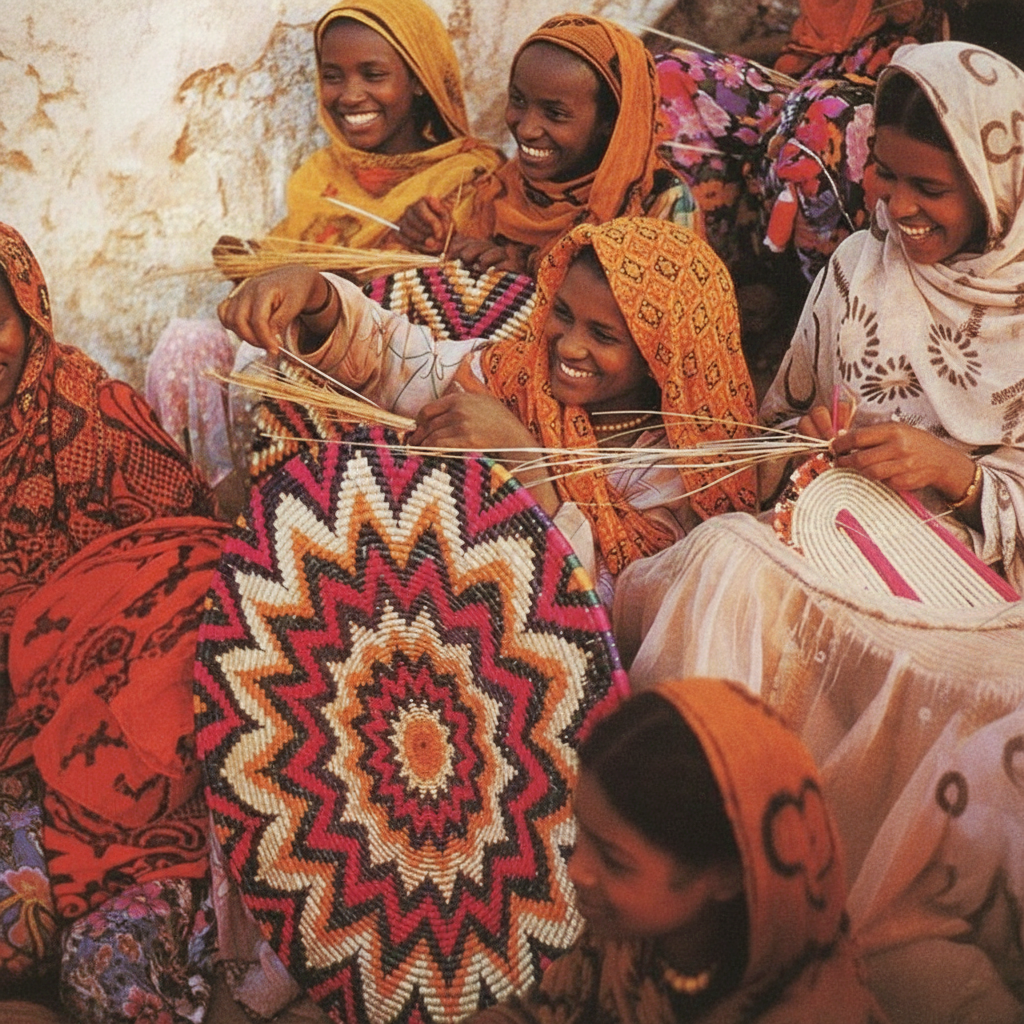
The patterns and techniques used to weave a Messob are passed down from mothers and grandmothers, and each basket reflects both inherited tradition and the unique touch of the woman who creates it. The craft demands patience, steady tension control, thoughtful pattern planning, and a strong sense of visual rhythm. Because of this, every Messob becomes a vessel of lineage and skill rather than a simple household object.
Cultural signature
The colors, shapes, and geometric motifs are a form of visual storytelling that reflects regional identity, craftsmanship, and lineage. The patterns vary from place to place. Messobs from Aksum and Tigray often feature Bright, high-contrast colors. Large starburst or floral designs. Bold, open patterns with strong symmetry. In Harar, Warm reds and golds. Tight, dense geometric patterns. Often finished with shells or decorative edging. In Oromia and the Amhara highlands, weaving styles shift in size, color, and density.
