Tilet: The Fabric of Identity
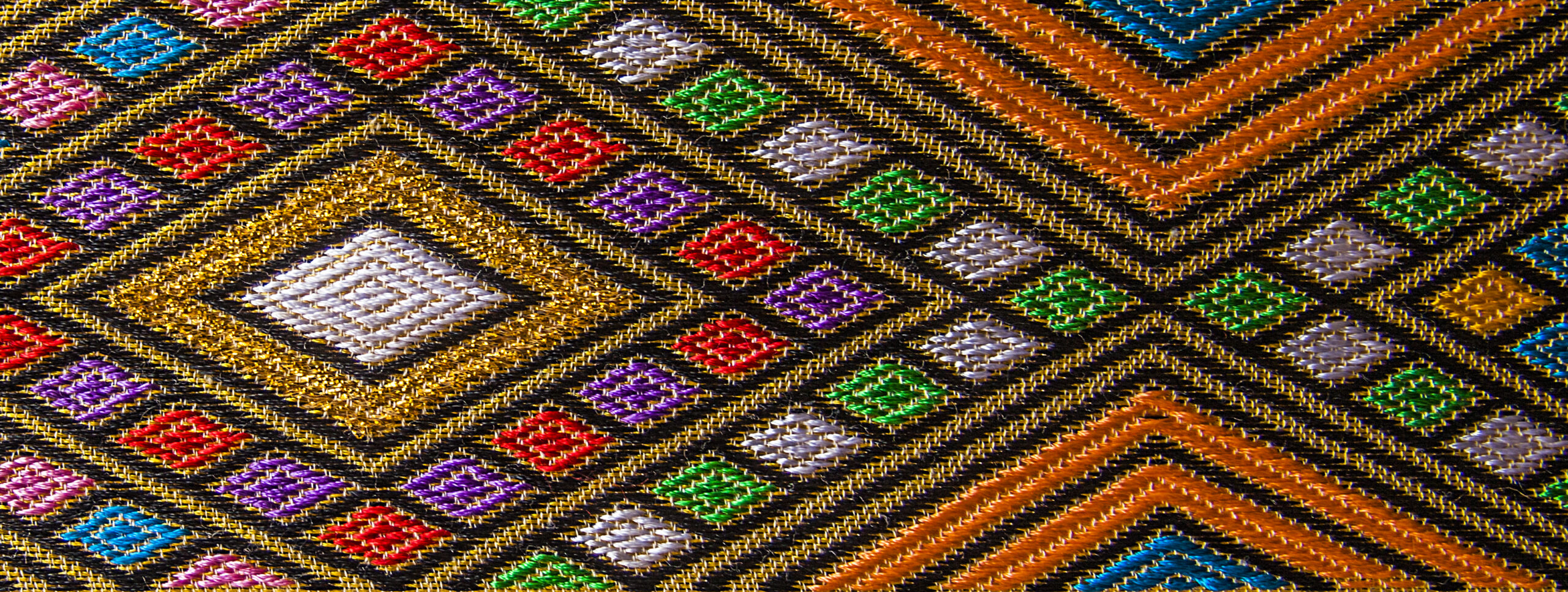
Tilet, often called Tibeb, sits at the heart of Ethiopian culture, carrying far more meaning than its colorful borders suggest. Worn in daily life, ceremonies, and modern fashion, it reflects who people are and where they come from. Tilet is more than textile art; it’s a cultural marker that ties identity, faith, creativity, and social standing into one woven tradition.
Each piece is made by skilled weavers known as shemane, who use traditional looms to create long, narrow bands of patterned cloth. These strips are later stitched onto handwoven cotton garments.
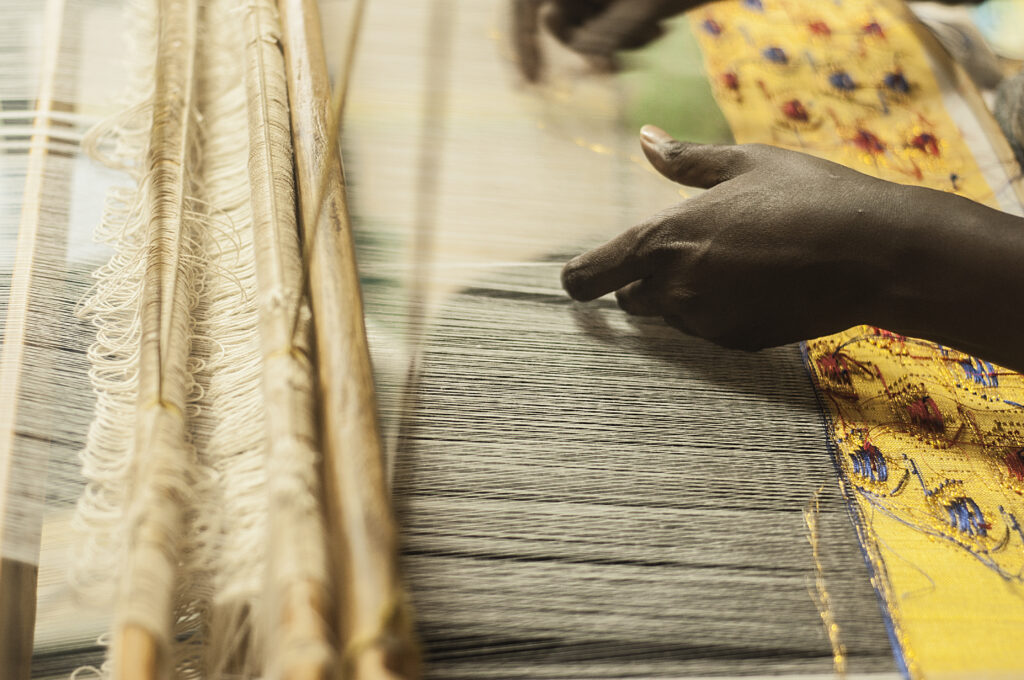
The work is slow and precise. Depending on the pattern and color count, a single strip can take hours of focused weaving. The pick-and-pick technique lets the weaver switch colors thread by thread, creating crisp motifs without relying on dyeing or printing. It’s a craft passed down for generations and remains central to Ethiopian textile identity.
Here are five ways Tilet influences everyday life and the broader cultural landscape.
1. It signals identity and belonging
Patterns often hint at where someone is from. Certain colors or motifs appear more often in specific regions, so a strip of Tilet can quietly tell a story about community roots.


2. Spiritual Significance
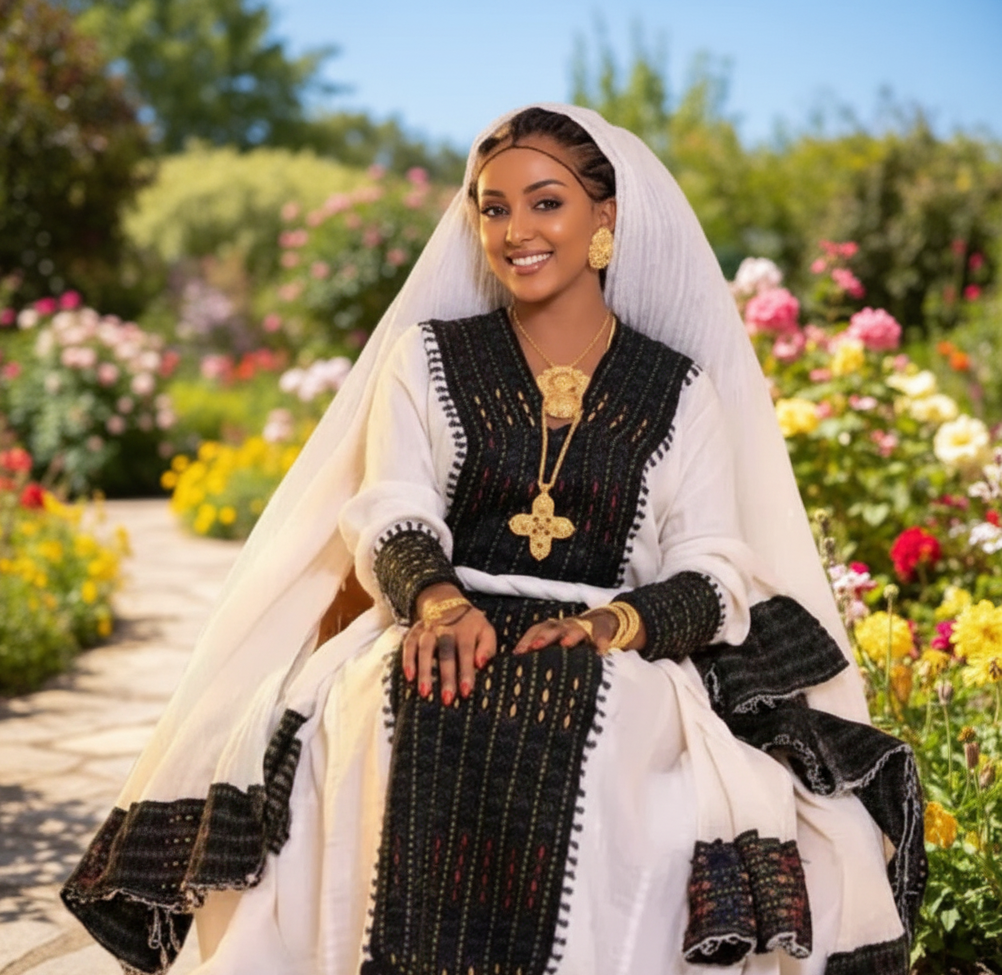
Tilet often reflects a person’s faith, and it carries especially strong meaning in Ethiopian Christian communities. People wear white netela or hager libs with simple Tilet patterns when going to church as a sign of purity and humility. During funerals, black or black-and-white Tilet shows grief and respect. These choices in color and pattern express shared values and link personal faith to community tradition.
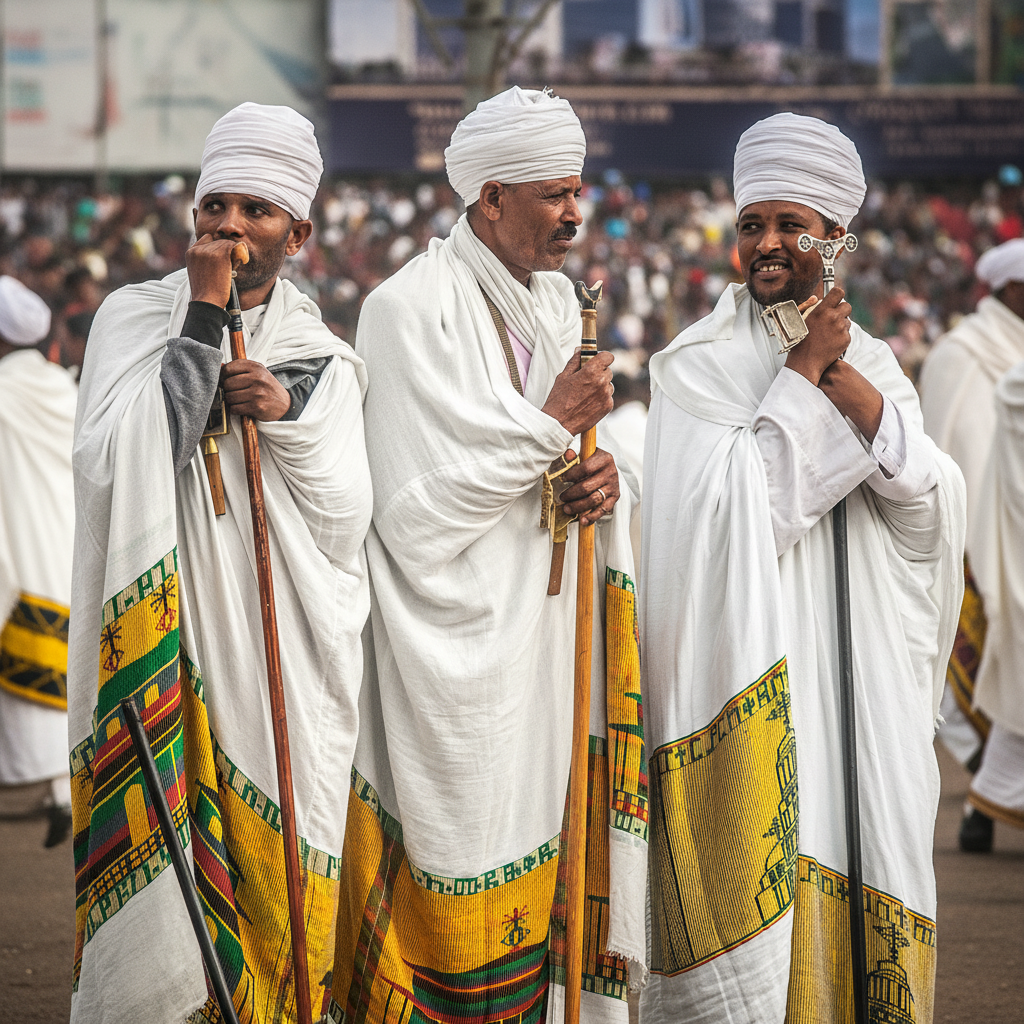
3. Personal Expression
Tilet gives people room to show their own taste. Some choose bold colors or large motifs to stand out, while others prefer muted tones or finer patterns for a quieter look. Even within tradition, the mix of colors, shapes, and how the Tilet is paired with a garment lets each person create something that feels personal and intentional.
4. Artistic Innovation
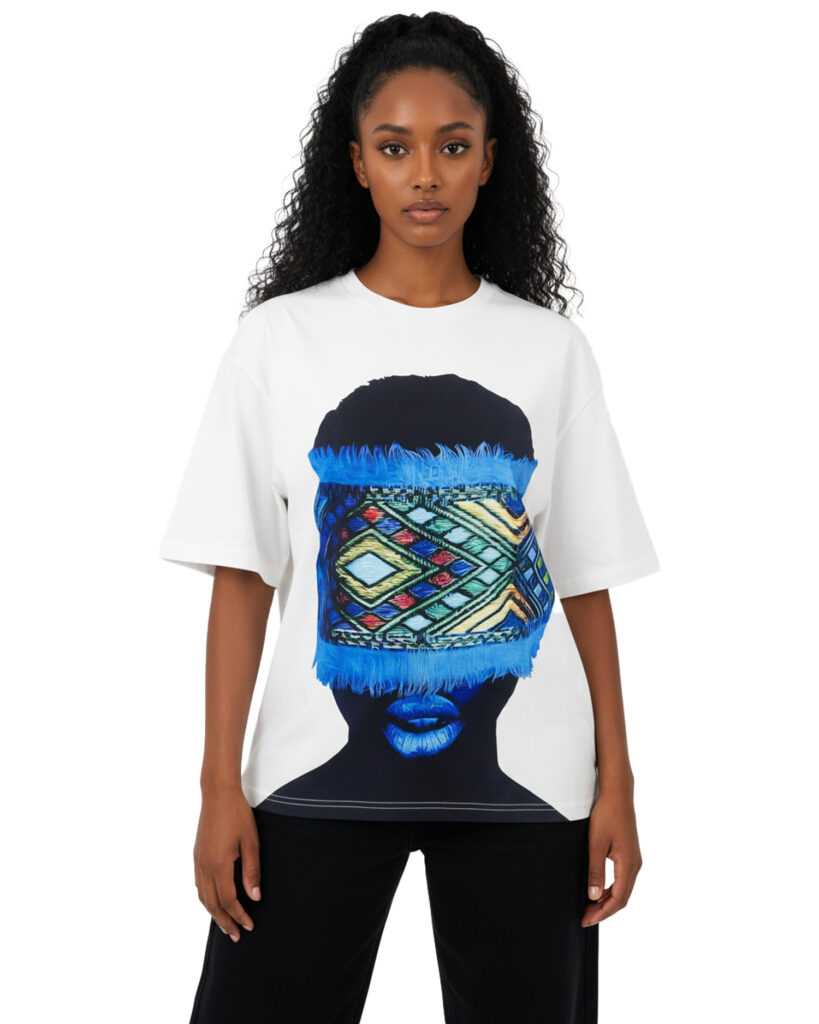
Tilet has shifted from a purely traditional border art to a flexible design language. Recent trends show designers creating new motifs, experimenting with asymmetry, and pairing Tilet with sharper, more global silhouettes. Some couture pieces now include metal beads or stone accents, adding texture and a three-dimensional feel. Today, Tilet isn’t something to keep frozen in the past but a medium designers can stretch, reinterpret, and push into new territory while still honoring its woven roots.

5. Socio-Economic Level
A simple netela with a light Tilet border is worn casually by many women and used as a shawl in both rural areas and cities. These pieces are practical, affordable, and part of daily dress for some women, especially older ones. In contrast, Tilets with finer, tightly woven patterns take far more skill and time, so they’ve traditionally been accessible mainly to families with means. That remains true today, as elaborate designs still cost more because of the labor involved.